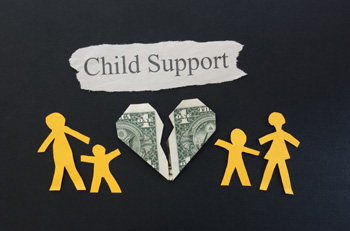
Navigating Inheritance, Custody, and Family Dynamics
Blended families are becoming more common, as many people find themselves navigating remarriages, step-parenting, and the merging of children from previous relationships. While this new family structure can bring joy and new opportunities, it also introduces legal challenges that must be addressed to ensure harmony and protect everyone’s rights. Whether it’s determining inheritance, establishing custody, or fostering a positive family dynamic, here are key legal considerations for blended families.

1. Inheritance Rights: Securing the Future
One of the most critical legal concerns for blended families is ensuring that each family member’s inheritance rights are properly defined. Without proper planning, stepchildren or spouses may face uncertainty after a family member’s passing. Here are the major considerations:
- Wills and Estate Planning: Many parents want to ensure their biological children are protected, while also providing for a new spouse or stepchildren. Drafting a clear, legally binding will is crucial for specifying who inherits what. Without one, state laws could allocate assets in ways that don’t reflect your wishes.
- Trusts for Children: Parents in blended families may consider setting up trusts to safeguard children’s inheritance. A trust can ensure that children from previous marriages receive their share of assets, while still allowing a surviving spouse access to the estate during their lifetime.
- Prenuptial and Postnuptial Agreements: These agreements can help clarify financial expectations for both spouses, especially if there are children from prior relationships. By specifying what each party brings into the marriage and how assets will be divided in case of divorce or death, potential conflicts can be minimized.
2. Custody Arrangements: Balancing Responsibilities
Child custody is another area where blended families must navigate complex legal waters. Custody arrangements for children from previous marriages or relationships can create challenges when establishing the new family unit.
- Step-Parent Rights: In most jurisdictions, a step-parent does not automatically have legal rights to a stepchild unless they formally adopt the child. If a biological parent is still in the picture, step-parents should understand that they may have limited decision-making authority, even if they are a significant presence in the child’s life.
- Adoption by Step-Parents: Step-parent adoption can be a solution to strengthen the bond between stepchildren and step-parents. This process typically requires the consent of the biological parent who is relinquishing parental rights. Once adopted, the step-parent assumes full legal responsibility for the child.
- Modifying Custody Orders: If a parent remarries or moves in with a new partner, they may need to revisit existing custody agreements. Courts often focus on what’s in the best interest of the child, and if a change in family structure impacts the child’s well-being, modifications to custody or visitation arrangements may be necessary.
3. Creating Harmonious Family Dynamics: Legal and Emotional Considerations
Building a harmonious blended family goes beyond legal documents and custody agreements. It’s about fostering a positive environment where all family members feel valued and supported. However, certain legal steps can help reinforce this process.
- Parenting Agreements: It’s beneficial for parents and step-parents to create clear parenting agreements outlining responsibilities and boundaries. While not legally binding, these agreements can provide structure and help avoid conflict by setting expectations for discipline, schooling, and household rules.
- Counseling and Mediation: Blending families is rarely seamless, and disputes can arise. Seeking professional guidance through family counseling or mediation can help family members navigate issues related to loyalty, discipline, and new family roles. Mediation can also be used for legal matters, providing a neutral platform to resolve custody or financial disputes without going to court.
- Guardianship for Step-Parents: If adoption isn’t an option, a step-parent might seek legal guardianship to gain the authority to make decisions for their stepchild in areas like medical care or education. This can provide more security for step-parents who are actively involved in raising their stepchildren.
Conclusion: A Proactive Approach for a Smooth Transition
Legal complexities shouldn’t overshadow the joy of blending families. With careful planning, open communication, and legal safeguards, you can help ensure that your new family dynamic thrives. Addressing inheritance rights, custody arrangements, and family roles proactively allows everyone to focus on building strong relationships rather than worrying about legal disputes. Consulting with a family law attorney is a key step to ensure your blended family is legally protected and positioned for success.
By tackling these challenges early on, blended families can create a foundation of trust, clarity, and love—making for a smoother transition into their new life together.
Ty Zdravko practices law as a divorce attorney, and family law attorney in Palm Harbor, Clearwater and the surrounding area.
For more information, visit our website at www.divorceboardcertified.com
or call (727) 787-5919.

In today’s society, many couples choose to have children without getting married. While this is entirely a personal choice, it brings about certain legal considerations that unmarried parents need to be aware of, especially when it comes to custody and child support. Understanding your rights and responsibilities as an unmarried parent can help ensure that your child’s best interests are always protected. Here’s a comprehensive guide to help you navigate these important issues.
Legal Options and Resources for Victims
Legal Considerations for Business Owners
Divorce is often a complex and emotionally charged process, and one of the most significant aspects to consider is the division of marital property. Real estate, including the family home, rental properties, and vacation homes, can be among the most valuable assets to address during divorce proceedings. Understanding the nuances of property division in divorce is crucial for protecting your interests and ensuring a fair outcome. In this blog post, we’ll delve into what you need to know about dividing real estate assets during divorce.
Divorce is a challenging and emotionally taxing process that many individuals may face at some point in their lives. Whether you’re considering divorce or already committed to the decision, understanding the steps involved can help you navigate this complex journey with greater clarity and confidence. In this guide, we’ll walk you through the essential steps of filing for divorce, offering insights and tips to help you through each stage.
Going through a divorce is undeniably one of life’s most challenging experiences. Beyond the legal complexities, the emotional toll can be overwhelming. Prioritizing your emotional well-being during this time is crucial for a healthier transition. In this blog, we’ll explore self-care tips designed to help clients navigate the emotional challenges of divorce.
Child custody battles can be emotionally draining and challenging for parents. Navigating through the legal intricacies while keeping the best interests of your child in mind requires careful consideration and strategic planning. In this guide, we’ll explore key aspects of child custody battles and provide insights to help parents make informed decisions during this difficult time.